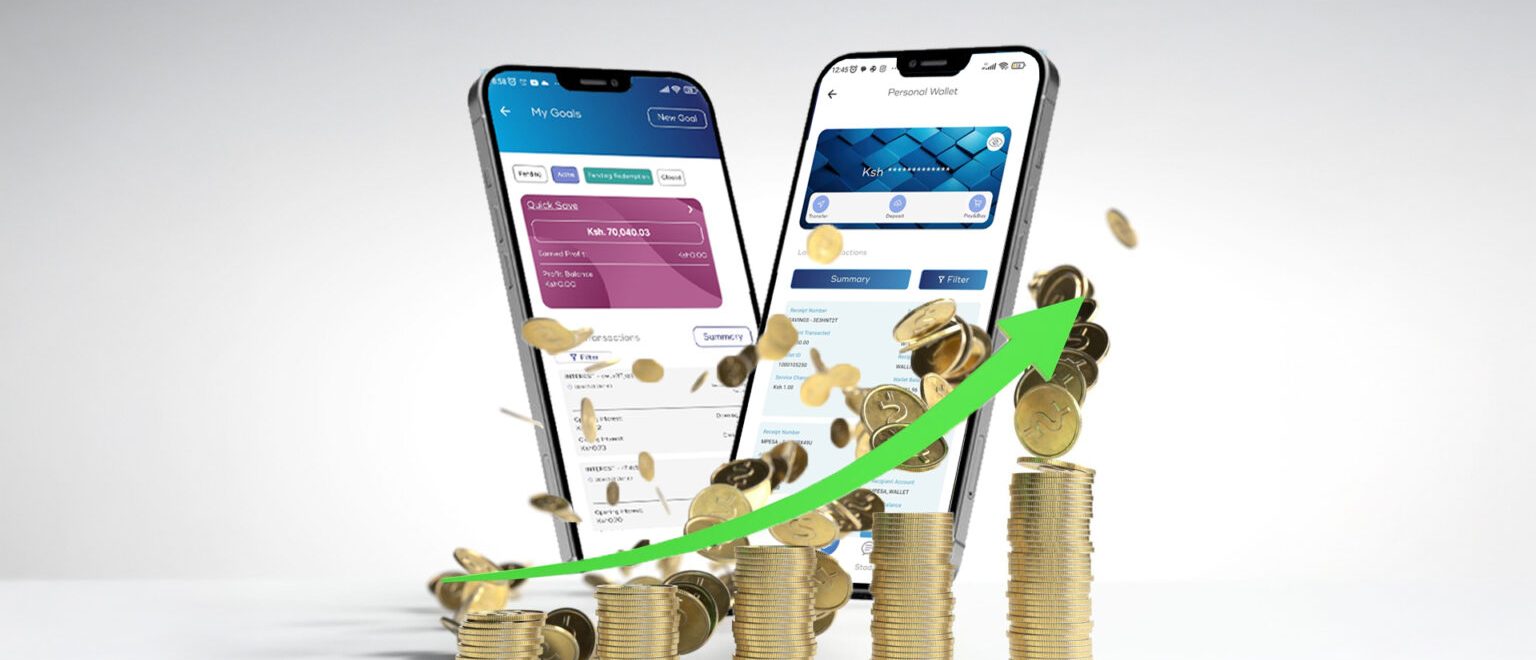
Saving money is one thing. Knowing where to keep it is another.
For many young Kenyans, the first place money goes after receiving a salary, allowance or side-hustle income is mobile money. Others prefer a bank account, while some join SACCOs because they want to build savings and eventually access credit.
But is one option automatically better than the others?
Not necessarily.
The right place depends on what the money is for, how quickly you may need it and the financial services available to you.
Mobile money: Convenient, but don't treat it like a complete financial plan
Mobile money has become part of everyday life for millions of Kenyans. It makes it easy to receive money, pay bills, send funds and separate money for short-term needs.
For a young person, this convenience can be useful for everyday expenses and small savings goals.
The problem comes when mobile money becomes the only place where all your money stays.
Because it is so easy to access, money meant for savings can quickly become spending money.
A simple solution is to give your money different purposes. Keep the amount you need for regular expenses accessible, while placing longer-term savings somewhere that makes it harder to spend impulsively.
Bank accounts: Useful for structured saving
A bank account can provide a more structured way to manage money.
You can receive your salary, pay bills, transfer money and build savings while keeping a record of your transactions.
For young workers, having a bank account can also make it easier to separate spending money from savings.
But opening an account should not be the end of the conversation.
Pay attention to account charges, minimum balances, interest rates where applicable and the conditions attached to different savings products.
The lesson is simple: don't choose a financial product simply because everyone around you uses it. Understand how it works first.
SACCOs: Saving with a longer-term purpose
SACCOs are another option used by Kenyans to save and access credit.
For a young person with regular income, joining a suitable SACCO can encourage disciplined saving because the money may be less immediately accessible than cash kept for daily spending.
Some SACCOs also allow members to access loans based on their savings and other membership conditions.
However, SACCOs are not identical. Before joining one, a young person should understand its membership requirements, fees, savings rules, dividends or returns where applicable, loan terms and withdrawal conditions.
Research matters.
So where should your savings go?
Instead of asking, “Which one is the best?” ask a different question:
“What is this money supposed to do?”
For example, money for transport, food and other immediate expenses needs to remain accessible.
An emergency fund needs to be reasonably accessible but protected from unnecessary spending.
Money being saved for a long-term goal can potentially be placed in a product designed for longer-term saving, provided you understand the terms and risks.
This approach creates something important: financial separation.
When every shilling sits in the same account, it becomes difficult to know what you can actually afford to spend.
Young people need a money system, not just an account
Financial literacy is not about choosing between a bank, SACCO or mobile money service.
It is about understanding the role each financial tool can play.
A young person could use mobile money for everyday transactions, a bank account for regular financial management and a suitable savings or SACCO product for longer-term goals.
The exact combination will depend on income, goals, fees, accessibility and personal circumstances.
The biggest mistake is not necessarily choosing the “wrong” platform.
It is saving without a purpose, spending without tracking and borrowing without understanding the cost.
Your financial future doesn't begin when you become wealthy.
It begins with how you manage the small amounts you have today.
#FTLuma #FinancialLiteracy #YouthFinance #Kenya #SavingMoney #SACCO #MobileMoney #Banking #PersonalFinance #MoneyManagement #FinancialEducation #YoungKenyans




💬 Discussion (0)
No comments yet. Be the first to share your thoughts!
Leave a Response